Pro-Ana is Back: What Every Parent Needs to Know Right Now
- Melanie Du Preez
- Nov 27, 2025
- 4 min read

Here's the thing nobody wants to talk about at braais and school meetings: there are corners of the internet actively teaching your child how to starve themselves. And Instagram's algorithm is helping.
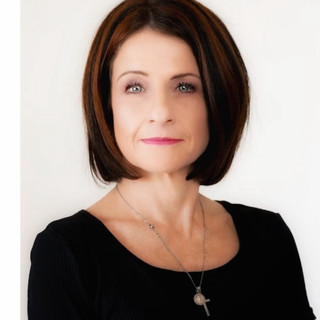
I'm Dr Melanie du Preez. I'm a clinical psychologist with over 26 years of experience, and I'm one of fewer than five Maudsley-certified eating disorder specialists in South Africa. I've treated hundreds of young people with anorexia, bulimia, and ARFID. And I'm watching something I'd hoped we'd moved past come roaring back.
Pro-ana is on the rise again. And it's worse than before.
What is Pro-Ana?
Pro-ana (short for pro-anorexia) and pro-mia (pro-bulimia) are online communities that promote eating disorders as a lifestyle choice rather than the life-threatening mental illnesses they actually are.
These spaces share "tips" for restricting food, hiding weight loss from family, suppressing hunger, and pushing through the dizziness and exhaustion that comes with starvation. They post "thinspiration" - images of emaciated bodies presented as goals. They have mantras, rules, and a twisted sense of community.
And they are everywhere.
This Isn't New. But It's Getting Worse.
Pro-ana communities have existed since the early 2000s. What's changed is the delivery system.
Research shows that pro-ana and pro-mia accounts on Instagram alone have increased by 300% over the last decade. But here's the part that should make every parent's blood run cold: Instagram's algorithm actively recommends this content.
When a young person engages with any content about weight loss, fitness, or body image, the algorithm starts suggesting more. And more. And suddenly they're being invited into group chats with names like "Supporting Starvation" and asked if they want an "ana buddy."
They didn't go looking for it. The algorithm brought it to them.
The Communities Have Gone Underground
Social media platforms have technically banned pro-ana content. Instagram blocks hashtags like #ana and #mia. But the communities are clever. They use coded language, intentional misspellings, and private messaging apps like Discord and Kik to evade detection.
Your child might be in a pro-ana community right now, and you'd never find it by checking their Instagram feed.
Why This Matters Even If Your Child Doesn't Have an Eating Disorder
Here's the research that keeps me up at night: one study found that 84% of participants - people WITHOUT eating disorders - reduced their food intake after viewing pro-ana content. By an average of 2,470 calories per week. And three weeks later, 24% were still using the weight control strategies they'd learned.
This content doesn't just affect people who are already ill. It creates illness in healthy people.
What Parents Need to Watch For
I'll be sharing more detailed warning signs this week, but here's where to start:
On their devices:
Following accounts focused on extreme thinness or "fitness transformation"
Using apps like Discord, Kik, or Telegram (common for private ED communities)
Searching terms like "thinspo," "bonespo," or intentional misspellings like "anna" or "anamia"
Screenshots of food logs, calorie counts, or "fasting" schedules
In their behaviour:
New rigid rules about food that appeared suddenly
Wearing baggy clothes or layers
Avoiding family meals
Excessive exercise that feels compulsive
Withdrawal and secrecy around their phone
In their language:
Referring to food as "safe" or "unsafe"
Talking about "fasting" or "clean eating" with intensity
Self-critical comments about their body that seem scripted
Using terms you don't recognise (I'll share a glossary later this week)
What NOT to Do
If you find pro-ana content on your child's phone, your instinct will be to panic, confiscate the device, and demand they stop. I understand that instinct.
But shame and control often push eating disorders deeper underground. The last thing we want is for your child to become more secretive and more entrenched.
This week I'll be sharing specific guidance on what to say - and what not to say - if you discover your child has been engaging with this content.
This Is Treatable
I need you to hear this part clearly: eating disorders are serious, but they are treatable. Early intervention dramatically improves outcomes. Family-based treatment (the Maudsley approach I'm certified in) has recovery rates of 40-50% for adolescents with anorexia - and that's full recovery, not just improvement.
The key is catching it early and responding appropriately.
What's Coming This Week
I'm dedicating the next two weeks to this topic because it matters that much. Here's what I'll be covering:
A glossary of pro-ana terms every parent should know
How to have the conversation if you find concerning content
How to protect your child's recovery by cleaning their social media algorithm
When to seek professional help (and what kind)
If you want this information delivered to your inbox, you can sign up for my email list [here]. I'll also be posting daily on Instagram and Facebook.
One More Thing
If you're reading this and YOU'VE been engaging with pro-ana content - whether you're in recovery, struggling, or somewhere in between - I see you. This isn't about shame. Eating disorders are isolating, and these communities offer something that feels like understanding.
But there's a difference between being understood and being encouraged to stay sick.
Recovery is possible. It's hard and it's messy and it takes longer than anyone wants. But it's possible. And you deserve support that actually helps you heal.
Dr Melanie du Preez Clinical Psychologist | Mindpath Academy One of fewer than 5 Maudsley/FBT-certified therapists in South Africa



Comments